The Benefits of Natural Spices in Indian Cuisine
- spicengar
- 1 day ago
- 3 min read
Indian cuisine is renowned for its rich flavors, vibrant colors, and aromatic spices. The use of natural spices not only enhances the taste of dishes but also offers numerous health benefits. In this blog post, we will explore the various advantages of incorporating natural spices into Indian cooking, highlighting their nutritional value, medicinal properties, and culinary versatility.
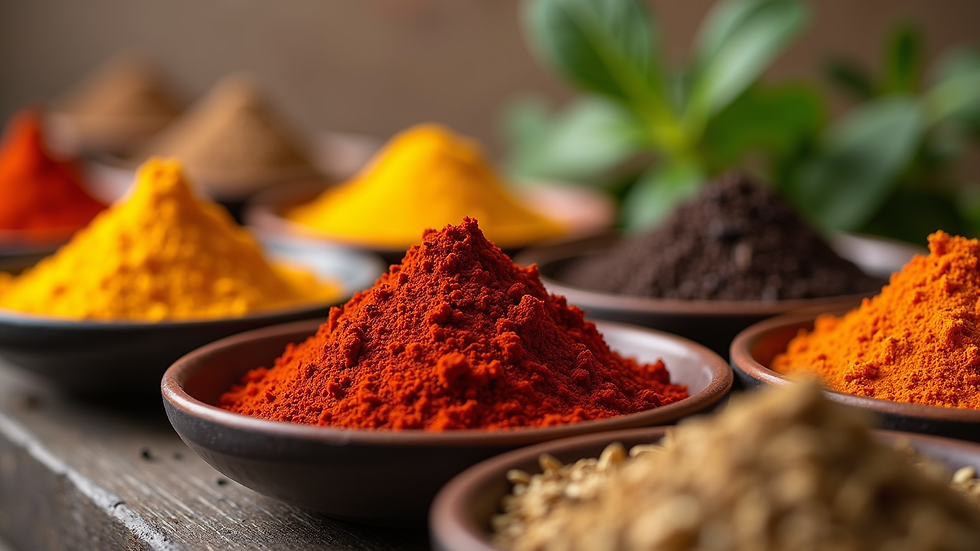
Understanding Natural Spices
Natural spices are derived from plants and are used to flavor, color, and preserve food. They come from various parts of plants, including seeds, bark, roots, and fruits. In Indian cuisine, spices play a crucial role, not just in taste but also in health and wellness.
Common Natural Spices in Indian Cuisine
Turmeric: Known for its anti-inflammatory properties, turmeric contains curcumin, which is beneficial for reducing inflammation and boosting immunity.
Cumin: This spice aids digestion and is rich in antioxidants. It also has antimicrobial properties.
Coriander: Both the seeds and leaves are used in cooking. Coriander helps in digestion and has anti-inflammatory effects.
Ginger: A common ingredient in many Indian dishes, ginger is known for its ability to soothe digestive issues and reduce nausea.
Cardamom: Often referred to as the "queen of spices," cardamom is known for its aromatic flavor and potential to improve oral health.
Nutritional Benefits of Natural Spices
Incorporating natural spices into your diet can significantly enhance your nutritional intake. Here are some key benefits:
Antioxidant Properties
Many spices are rich in antioxidants, which help combat oxidative stress in the body. For example, cloves and cinnamon are known for their high antioxidant content, which can help reduce the risk of chronic diseases.
Anti-Inflammatory Effects
Chronic inflammation is linked to various health issues, including heart disease and diabetes. Spices like turmeric and ginger have potent anti-inflammatory properties that can help mitigate these risks.
Digestive Health
Spices such as cumin and fennel are known to aid digestion. They can help alleviate bloating and gas, making meals more enjoyable and comfortable.
Blood Sugar Regulation
Certain spices, including cinnamon, have been shown to help regulate blood sugar levels. This can be particularly beneficial for individuals with diabetes or those looking to maintain stable energy levels throughout the day.
Culinary Versatility of Natural Spices
Natural spices are not only beneficial for health but also add depth and complexity to dishes. Here’s how they can be used in various culinary applications:
Flavor Enhancement
Spices can transform a simple dish into a flavorful masterpiece. For instance, adding cumin to lentil soup or coriander to vegetable curries can elevate the taste profile significantly.
Color and Aroma
Spices like turmeric and saffron not only add flavor but also impart vibrant colors to dishes. This visual appeal can make meals more enticing.
Preservation
Historically, spices have been used for their preservative qualities. For example, mustard seeds and black pepper can help extend the shelf life of foods due to their antimicrobial properties.
Health Benefits of Specific Spices
Let’s delve deeper into some specific spices and their unique health benefits:
Turmeric
Turmeric is a staple in Indian cooking, known for its bright yellow color and earthy flavor. Its active compound, curcumin, has been studied for its potential to:
Reduce the risk of heart disease
Improve brain function
Alleviate symptoms of arthritis
Ginger
Ginger is not just a flavor enhancer; it also has a long history of use in traditional medicine. Its benefits include:
Reducing nausea and motion sickness
Easing digestive issues
Providing relief from menstrual pain
Cumin
Cumin is often used in spice blends and is known for its distinctive flavor. Its health benefits include:
Supporting digestion
Boosting the immune system
Enhancing iron absorption
Incorporating Spices into Your Daily Diet
Adding natural spices to your meals can be simple and enjoyable. Here are some practical tips:
Start with Spice Blends
Using pre-made spice blends can be an easy way to incorporate multiple spices into your cooking. Look for blends like garam masala or curry powder to add depth to your dishes.
Experiment with Different Dishes
Don’t hesitate to experiment with spices in various recipes. Try adding cinnamon to your morning oatmeal or cumin to roasted vegetables for a unique twist.
Use Fresh Spices
Whenever possible, opt for fresh spices over pre-ground ones. Fresh spices tend to have a more potent flavor and higher nutritional value.
Conclusion
The benefits of natural spices in Indian cuisine extend far beyond flavor. They offer a wealth of health advantages, from anti-inflammatory properties to digestive support. By incorporating these spices into your daily meals, you can enhance not only the taste of your food but also your overall well-being.
So, the next time you cook, remember the power of spices. Embrace their flavors and health benefits, and enjoy the vibrant world of Indian cuisine.
Comments