Healthy Indian Spices for Flavorful Cooking
- spicengar
- 4 hours ago
- 4 min read
Indian cuisine is renowned for its rich flavors and aromatic spices. These spices not only enhance the taste of dishes but also offer numerous health benefits. In this blog post, we will explore some of the healthiest Indian spices that can elevate your cooking while promoting well-being.
The Importance of Spices in Indian Cooking
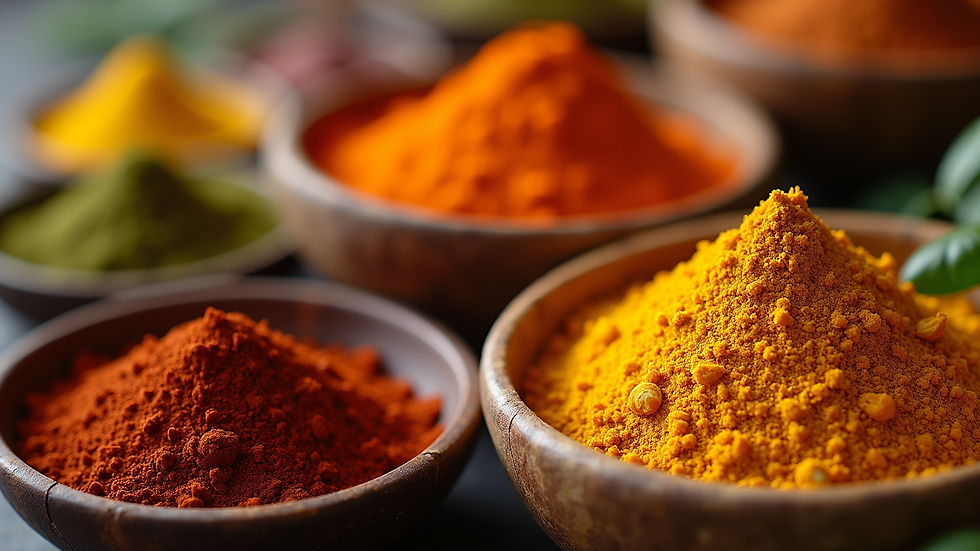
Spices are the heart of Indian cooking. They are used not just for flavor but also for their medicinal properties. Many spices have been used for centuries in Ayurvedic medicine, and their benefits are backed by modern research. Incorporating these spices into your daily meals can lead to a healthier lifestyle.
Health Benefits of Indian Spices
Anti-inflammatory Properties: Many Indian spices contain compounds that help reduce inflammation in the body. For example, turmeric is known for its active ingredient, curcumin, which has powerful anti-inflammatory effects.
Rich in Antioxidants: Spices like cinnamon and cloves are packed with antioxidants that help combat oxidative stress, which can lead to chronic diseases.
Digestive Health: Spices such as cumin and coriander aid digestion and can help alleviate digestive issues.
Blood Sugar Control: Certain spices, like fenugreek and cinnamon, have been shown to help regulate blood sugar levels, making them beneficial for those with diabetes.
Heart Health: Spices like garlic and ginger can help lower cholesterol levels and improve heart health.
Must-Have Healthy Indian Spices
Turmeric
Turmeric is perhaps the most well-known Indian spice, famous for its vibrant yellow color and earthy flavor.
Health Benefits: Contains curcumin, which has anti-inflammatory and antioxidant properties. It may also improve brain function and lower the risk of heart disease.
How to Use: Add turmeric to curries, soups, or smoothies for a health boost.
Cumin
Cumin seeds are a staple in Indian kitchens, known for their warm, nutty flavor.
Health Benefits: Aids digestion, boosts the immune system, and has anti-cancer properties.
How to Use: Use cumin in spice blends, curries, or sprinkle it on roasted vegetables.
Coriander
Coriander seeds have a citrusy flavor and are often used in Indian cooking.
Health Benefits: Helps with digestion, reduces blood sugar levels, and has antimicrobial properties.
How to Use: Use ground coriander in spice mixes or add fresh coriander leaves to salads and curries.
Ginger
Ginger is a versatile spice that adds a zesty flavor to dishes.
Health Benefits: Known for its anti-nausea effects, ginger can also reduce muscle pain and soreness.
How to Use: Grate fresh ginger into teas, stir-fries, or marinades.
Cinnamon
Cinnamon is a sweet spice that can be used in both savory and sweet dishes.
Health Benefits: Helps lower blood sugar levels and has anti-inflammatory properties.
How to Use: Sprinkle cinnamon on oatmeal, add it to curries, or use it in baking.
Fenugreek
Fenugreek seeds have a slightly bitter taste and are often used in Indian pickles and curries.
Health Benefits: Can help lower blood sugar levels and improve cholesterol levels.
How to Use: Use fenugreek seeds in spice blends or add fresh fenugreek leaves to dishes.
Black Pepper
Black pepper is known as the "king of spices" and is used in almost every Indian dish.
Health Benefits: Contains piperine, which enhances the absorption of nutrients and has antioxidant properties.
How to Use: Use freshly ground black pepper to season dishes or add it to spice blends.
Mustard Seeds
Mustard seeds are small but pack a punch in terms of flavor.
Health Benefits: Rich in selenium and magnesium, which can help reduce inflammation and improve heart health.
How to Use: Temper mustard seeds in oil for curries or use them in pickles.
Cooking with Indian Spices
Incorporating these spices into your cooking can be simple and enjoyable. Here are some tips to get started:
Spice Blends
Creating your own spice blends can enhance the flavor of your dishes. Here are a few popular Indian spice blends:
Garam Masala: A blend of spices like cumin, coriander, cardamom, and cloves, used in various Indian dishes.
Chaat Masala: A tangy spice mix that includes cumin, coriander, and dried mango powder, often used in snacks and salads.
Cooking Techniques
Tempering: This technique involves heating oil and adding spices to release their flavors before adding other ingredients. It’s commonly used in Indian cooking.
Marinating: Use spices to marinate meats or vegetables before cooking to infuse them with flavor.
Pairing Spices with Ingredients
Understanding which spices pair well with certain ingredients can elevate your dishes. For example:
Cumin and Lentils: Cumin complements the earthy flavor of lentils beautifully.
Turmeric and Vegetables: Turmeric enhances the color and flavor of vegetables like cauliflower and carrots.
Conclusion
Incorporating healthy Indian spices into your cooking not only enhances flavor but also contributes to your overall health. From turmeric to cumin, these spices offer a wealth of benefits that can transform your meals. Start experimenting with these spices in your kitchen and enjoy the delicious and nutritious results.
By embracing the vibrant world of Indian spices, you can create flavorful dishes that are both satisfying and beneficial for your health. So, gather your spices and start cooking!
Comments