How to Cook Authentic Indian Dishes Healthily
- spicengar
- 1 day ago
- 4 min read
Indian cuisine is a rich tapestry of flavors, spices, and traditions. While it is often celebrated for its bold tastes and vibrant colors, many people shy away from cooking Indian dishes at home due to concerns about health and nutrition. The good news is that you can enjoy authentic Indian flavors while maintaining a healthy diet. This blog post will guide you through the process of cooking Indian dishes healthily, ensuring you can savor every bite without compromising your well-being.
Understanding Indian Cuisine
Indian cuisine varies significantly across regions, influenced by local ingredients, climate, and cultural practices. Here are some key characteristics:
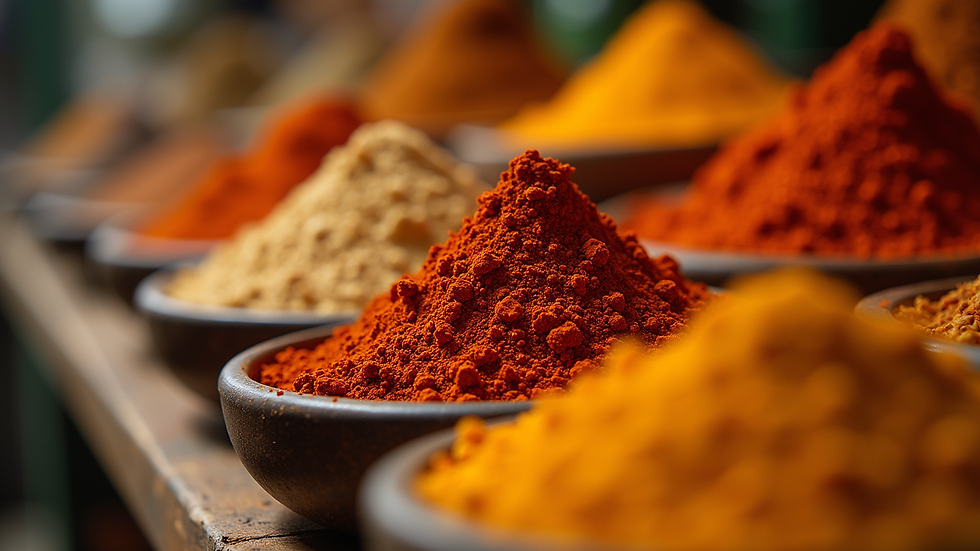
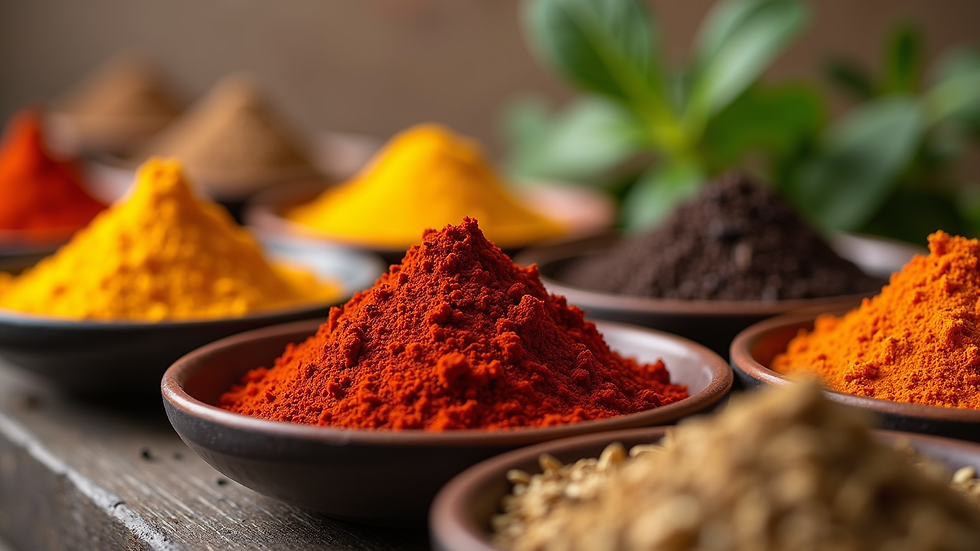
Spices: Indian cooking is renowned for its use of spices, which not only enhance flavor but also offer health benefits. Common spices include turmeric, cumin, coriander, and cardamom.
Diverse Ingredients: From lentils and beans to vegetables and meats, Indian dishes often incorporate a wide range of ingredients, making them nutritious.
Cooking Techniques: Traditional methods such as steaming, grilling, and sautéing are prevalent, allowing for healthier cooking options.
Health Benefits of Indian Spices
Many spices used in Indian cooking have been linked to various health benefits:
Turmeric: Contains curcumin, known for its anti-inflammatory properties.
Cumin: Aids digestion and is rich in antioxidants.
Ginger: Helps with nausea and has anti-inflammatory effects.
Incorporating these spices into your cooking not only enhances flavor but also contributes to your overall health.
Choosing Healthier Ingredients
When preparing Indian dishes, the choice of ingredients can significantly impact their healthiness. Here are some tips:
Opt for Whole Grains
Instead of refined grains, choose whole grains like brown rice, quinoa, or whole wheat flour for making chapatis. Whole grains are higher in fiber and nutrients.
Incorporate More Vegetables
Vegetables are a staple in Indian cooking. Aim to fill half your plate with a variety of colorful vegetables. They add essential vitamins and minerals while keeping the dish low in calories.
Use Lean Proteins
For non-vegetarian dishes, opt for lean meats like chicken or fish. For vegetarian options, include legumes such as lentils, chickpeas, and beans, which are excellent sources of protein and fiber.
Limit Added Sugars and Fats
Many Indian dishes can be high in added sugars and fats. Use healthier cooking methods like steaming or grilling instead of frying. When using oils, choose healthier options like olive oil or coconut oil, and use them sparingly.
Cooking Techniques for Healthier Indian Dishes
The way you cook your food can make a significant difference in its healthiness. Here are some techniques to consider:
Steaming
Steaming vegetables preserves their nutrients and natural flavors. Dishes like idli (steamed rice cakes) are not only healthy but also delicious.
Grilling
Grilling meats and vegetables adds a smoky flavor without the need for excessive oil. Try making tandoori chicken using yogurt and spices for marination, then grill it for a healthier option.
Sautéing
When sautéing, use minimal oil and add plenty of spices and herbs for flavor. This technique works well for dishes like bhindi masala (spiced okra).
Healthy Indian Recipes to Try
Here are a few healthy Indian recipes that you can easily prepare at home:
1. Lentil Soup (Dal)
Ingredients:
1 cup lentils (red or green)
1 onion, chopped
2 tomatoes, chopped
1 teaspoon turmeric
1 teaspoon cumin
Salt to taste
Fresh cilantro for garnish
Instructions:
Rinse the lentils and cook them in water until soft.
In a separate pan, sauté onions until golden, then add tomatoes and spices.
Combine the lentils with the sautéed mixture and simmer for 10 minutes.
Garnish with fresh cilantro before serving.
2. Vegetable Curry
Ingredients:
2 cups mixed vegetables (carrots, peas, bell peppers)
1 onion, chopped
2 tomatoes, chopped
1 teaspoon garam masala
1 teaspoon turmeric
1 tablespoon olive oil
Instructions:
Heat olive oil in a pan and sauté onions until translucent.
Add tomatoes and spices, cooking until the tomatoes break down.
Add mixed vegetables and a splash of water, cover, and cook until tender.
3. Quinoa Upma
Ingredients:
1 cup quinoa
1 onion, chopped
1 carrot, grated
1 cup peas
1 teaspoon mustard seeds
1 tablespoon olive oil
Instructions:
Rinse quinoa and cook it in water until fluffy.
In a pan, heat olive oil and add mustard seeds until they pop.
Add onions, carrots, and peas, sautéing until cooked.
Mix in the cooked quinoa and serve hot.
Tips for Meal Prep
Meal prepping can help you maintain a healthy diet while enjoying Indian cuisine. Here are some strategies:
Batch Cooking: Prepare large quantities of lentils, rice, or curries and store them in the fridge or freezer for quick meals.
Pre-chop Vegetables: Spend some time chopping vegetables at the beginning of the week to make cooking easier on busy days.
Use Mason Jars: Layer ingredients in mason jars for salads or grain bowls, making them easy to grab and go.
Conclusion
Cooking authentic Indian dishes healthily is not only possible but also enjoyable. By choosing the right ingredients, employing healthy cooking techniques, and being mindful of portion sizes, you can savor the rich flavors of Indian cuisine without compromising your health.
Start experimenting with the recipes and tips shared in this post, and discover how delicious healthy Indian cooking can be. Embrace the vibrant world of spices and flavors, and make your kitchen a hub of healthy Indian culinary delights. Happy cooking!
Comments